The Dalit past in India is an inspiring saga of resistance, strength, and unyielding struggle for equality in the presence of centuries-long oppression. The word "Dalit," meaning "oppressed" or "broken," is applied to those communities which were, in the past, put beyond the fourfold Varna system of Hindu society and subjected to extreme social, economic, and political marginalization.
They have been treated as "untouchables" and systematically kept outside the mainstream for thousands of years. They have been barred from education, temple access, and even public life. Their conventional occupations were degraded and menial, such as cleaning latrines, sweeping streets, handling dead animals, and other kinds of manual tasks that society thought were impure.
This historic injustice was not merely social but was deeply entrenched in religious and legal orders. Despite many reform movements trying to counter caste discrimination throughout history, actual change started becoming apparent during the colonial era and gained strength through India's freedom struggle. The efforts of figures such as Jyotirao Phule, Dr. B.R. Ambedkar, and Kanshi Ram have been instrumental in forging contemporary Dalit consciousness and attaining constitutional rights for the group.
In spite of all these efforts, caste discrimination is still a bitter truth in contemporary India. Dalits are still subjected to violence, social boycott, and economic deprivation. Yet, the community has registered remarkable achievements in political empowerment, education, and cultural life. This article chronicles the Dalit journey through various periods of history, bringing out their travails, major leaders, and movements that have influenced their struggle for justice.
In modern India, Dalits continue to fight for their rights amidst ongoing challenges such as caste-based violence and exclusion. However, they have made significant strides in various fields, contributing to the nation's cultural, political, and intellectual landscape.
1. Ancient Origins of Dalit Communities in India
The Indian caste system is traced back to ancient Hindu sacred writings, specifically the Manusmriti and the other Dharmashastras, which divided society into four Varnas:
- Brahmins: Priests and scholars
- Kshatriyas: Warriors and rulers
- Vaishyas: Merchants and traders
- Shudras: Laborers and service providers
Dalits, or "untouchables," were not part of this system and were rather termed "Avarnas" (outcastes). They were excluded by invoking religious texts that labeled them impure and allotted them occupations of sanitation, disposing of animals, and other manual, low-positioned tasks.
This strict social ranking kept Dalits economically and socially subservient to the upper castes without any mobility or rights of their own. Dalits were forbidden from living in certain areas, wearing certain clothes, and even speaking in certain ways before upper-caste people.
2. Medieval Period: Marginalization and Oppression
Medieval times further entrenched caste divisions. Although some rulers permitted a few Dalits to hold administrative and military positions, caste discrimination continued. Dalits were still limited to lowly jobs and were often victims of systematic violence.
During this time, some Bhakti movement saints like Kabir, Ravidas, and Chokhamela criticized caste oppression and preached spiritual equality. Their message, however, did not lead to mass social change. Rather, the caste system became even more entrenched with the rise of strong Hindu kingdoms and Brahminical institutions solidifying these hierarchies.
3. Colonial Era and the Emergence of Reform Movements
The British came to India with some alterations to the social structure, though caste systems were basically retained by the colonial government. Yet, this period also saw major social reform movements intended to uplift Dalits.
Key Reformers
- Jyotirao Phule (1827–1890): Phule founded schools for Dalits and girls, and publicly criticized the Brahminical order.
- Savitribai Phule (1831–1897): An early education pioneer for women, she and her husband educated Dalit girls.
- Periyar E.V. Ramasamy (1879–1973): A Tamil Nadu social reformer who campaigned against caste oppression and promoted the self-respect movement.
4. Bhimrao Ambedkar and the Struggle for Dalit Rights
Dr. B.R. Ambedkar (1891–1956), the most influential Dalit leader, was born into a Dalit family and experienced caste discrimination firsthand. In spite of these obstacles, he pursued higher education at prestigious universities, including Columbia University and the London School of Economics.
Ambedkar's Contributions
- He was the chief architect of the Indian Constitution, securing legal protection for Dalits.
- He campaigned for the abolition of untouchability and for Dalit reservations in education and employment.
- He embraced Buddhism in 1956, rejecting the caste-based hierarchy of Hindu society.
5. The Poona Pact and Ambedkar's Vision
Ambedkar demanded separate electorates for Dalits in 1932, and this put him in opposition to Mahatma Gandhi. This led to the Poona Pact, which allocated reserved seats to Dalits in legislatures instead of separate electorates. Although the pact provided a voice for Dalits in politics, it did not give them complete autonomy in political representation.
Ambedkar's ultimate vision was to create a caste-free India, but he recognized that deep-rooted social prejudices could not be eliminated overnight.
6. Dalits and the Indian Independence Movement
Dalits participated in India's freedom struggle but remained marginalized within mainstream political movements. While the Indian National Congress often spoke about social reform, its upper-caste leadership did not actively address caste oppression.
Ambedkar's Scheduled Caste Federation and similar Dalit-led movements were important in promoting Dalit interests in the new nation.
7. Dalit Movements After Independence
Dalits remained subject to social and economic discrimination despite constitutional safeguards.
Major Dalit Movements
- Dalit Panthers (1972): Inspired by the Black Panther movement of the United States, they resisted caste violence and structural oppression.
- Bahujan Samaj Party (BSP) (1984): Established by Kanshi Ram, it emerged as a significant political force fighting for Dalit and Bahujan rights.
8. Contemporary Dalit Leadership and Political Representation
Political representation for Dalits has grown in recent decades, with leaders such as Mayawati becoming Chief Minister of Uttar Pradesh on several occasions. Caste violence and economic inequality, however, continue to be major challenges.
9. Contemporary Dalit Movements and Challenges
Even today, Dalits are confronted with:
- Caste violence (lynchings, honour killings)
- Discrimination in employment and education despite affirmative action policies
- Social exclusion in rural areas
Activists and organizations continue to struggle for land rights, political representation, and dignity.
10. Cultural Contributions of Dalits
Dalits have made remarkable contributions to literature, music, and cinema.
Famous Dalit Writers and Thinkers
- Namdeo Dhasal: Marathi poet, co-founder of the Dalit Panthers
- Omprakash Valmiki: Author of Joothan
Dalit artists and musicians continue to shape Indian culture, reclaiming their identity through art and activism.
Detailed Guides on Dalit Topics
Want to go deeper? These detailed guides cover population, education, reservation, discrimination, political representation and more.
Explore More Dalit History Topics
Dalit Population in India | State-wise Data, Growth & Demographics
Learn about the Dalit population in India, including state-wise distribution, census data, growth trends, socio-econo...
Read more →
Dalit Socio-Economic Status in India | Education, Employment & Inequality
Explore the socio-economic status of Dalits in India, including income levels, education, employment challenges, gove...
Read more →
Dalit Economic Status and Income Disparity in India
Understand Dalit economic status and income disparity in India, including wage gaps, employment challenges, governmen...
Read more →
Dalit Education and Literacy in India | Challenges, Data & Solutions
Learn about Dalit education and literacy in India, including literacy rates, barriers to education, reservation polic...
Read more →
Dalit Health Indicators in India | Data, Challenges & Solutions
Understand Dalit health indicators in India, including mortality rates, nutrition levels, healthcare access, governme...
Read more →
Dalit Reservation Policy in India | History, Impact & Challenges
Understand the Dalit reservation policy in India, its constitutional basis, impact on education and employment, chall...
Read more →
Dalit Affirmative Action and Social Mobility in India
Understand how Dalit affirmative action policies like reservation in education, jobs, and politics have improved soci...
Read more →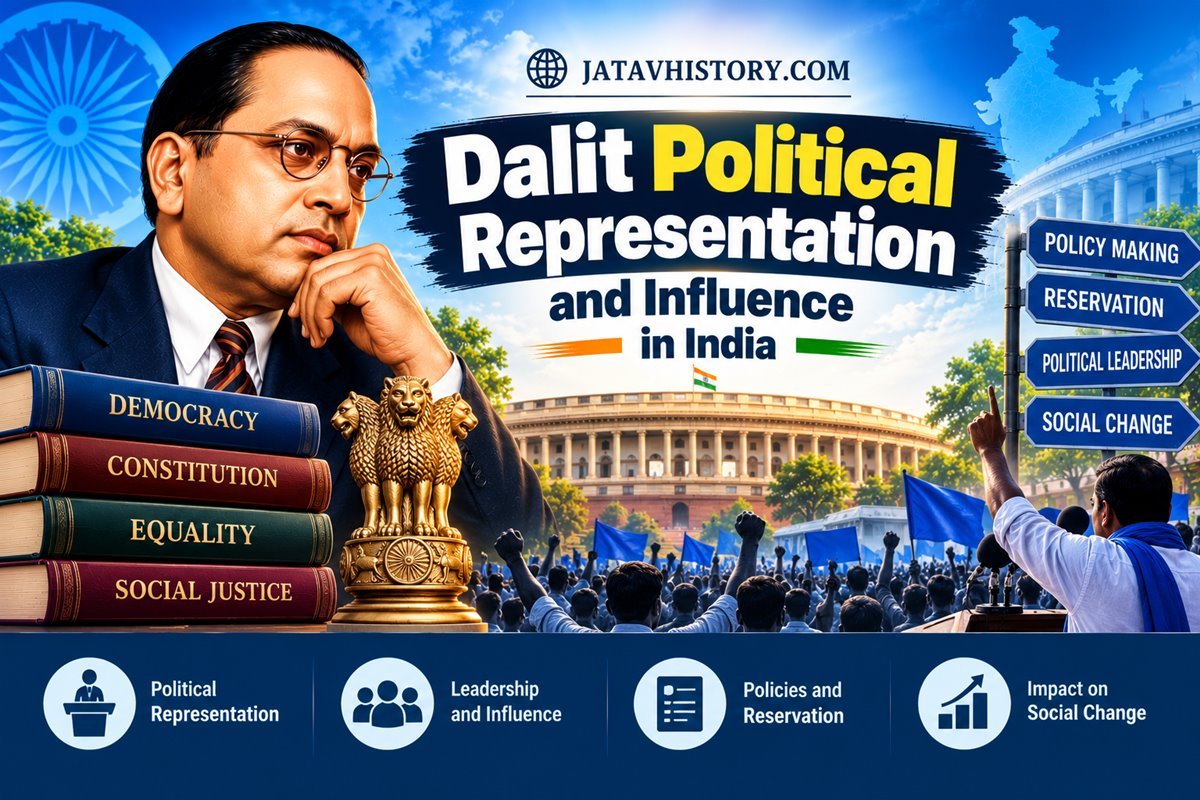
Political Representation of Dalits in India | History, Leaders & Influence
Explore the political representation of Dalits in India, covering its historical roots, constitutional provisions, ke...
Read more →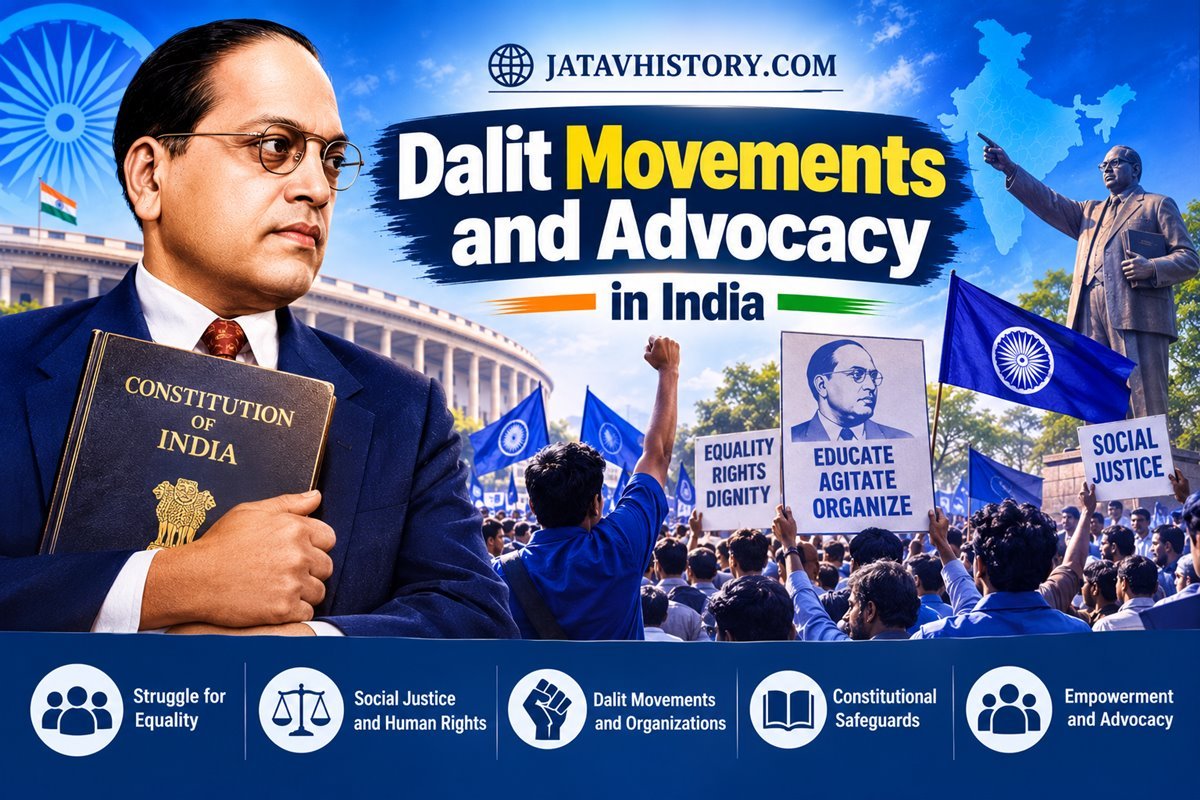
Dalit Movement and Advocacy in India | History, Leaders & Impact
Detailed overview of the Dalit movement and advocacy in India, covering its history, leaders, major movements, legal ...
Read more →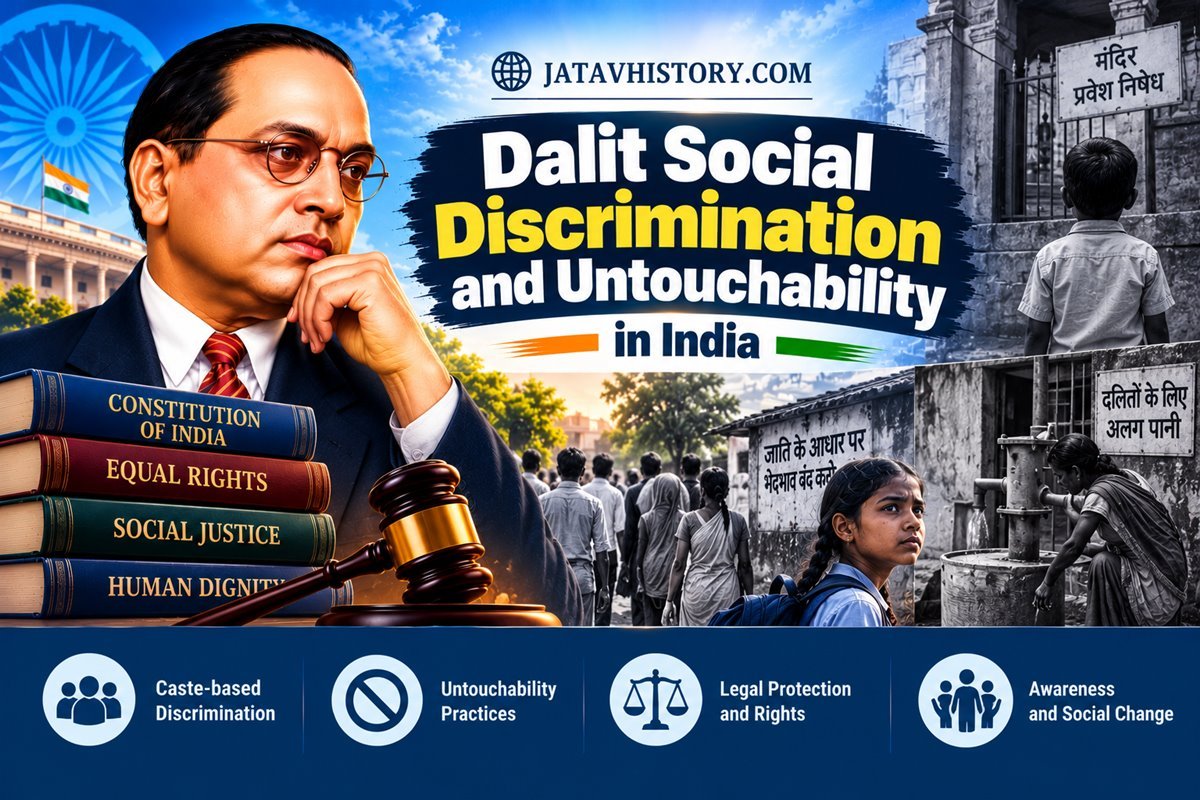
Dalit Social Discrimination and Untouchability in India
Understand Dalit social discrimination and untouchability in India, including historical roots, constitutional safegu...
Read more →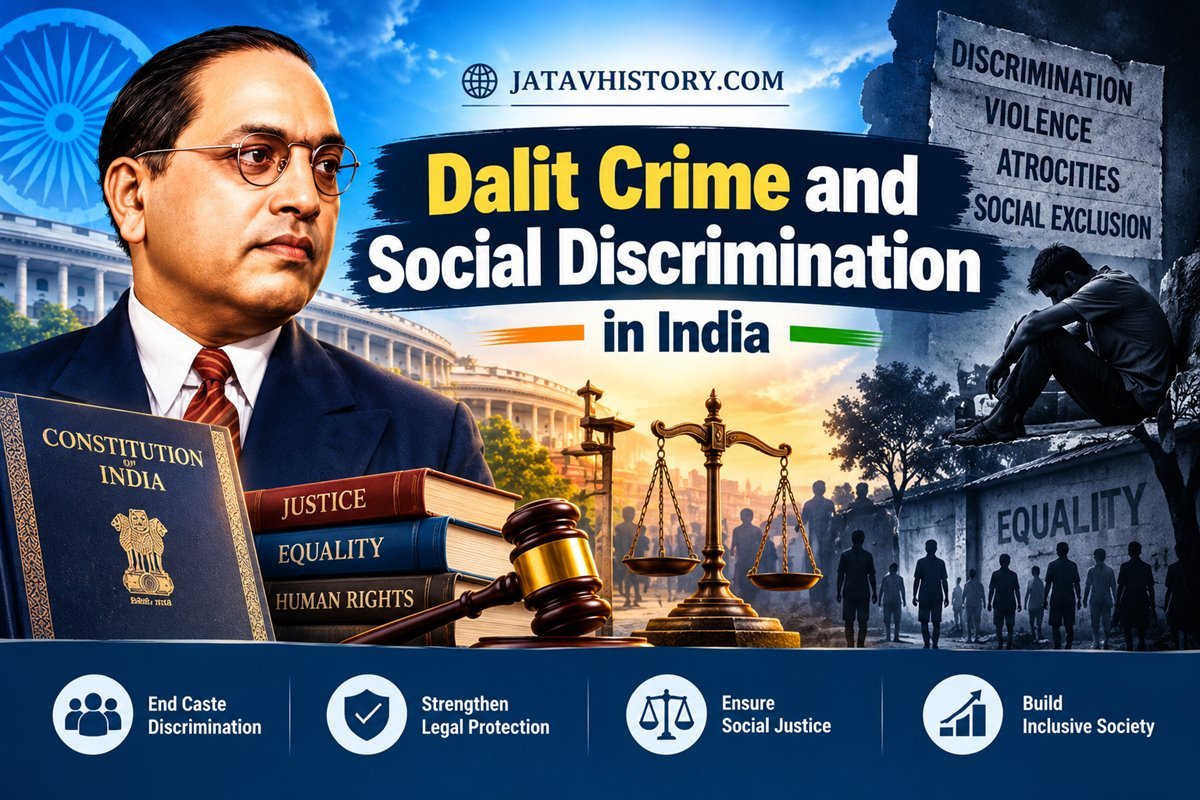
Dalit Crime and Social Discrimination in India
Understand Dalit crime and social discrimination in India, including caste-based violence, atrocities, legal protecti...
Read more →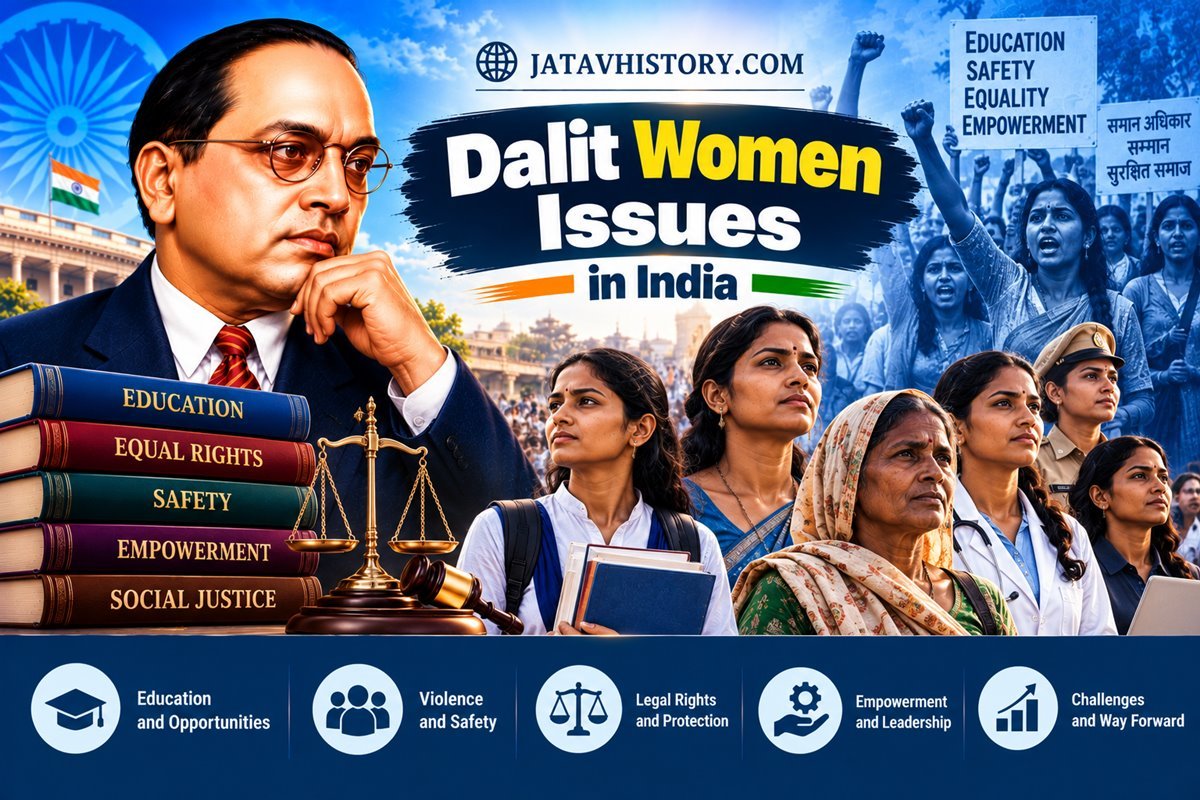
Dalit Women Issues in India | Double Discrimination and Struggle
Understand the major issues faced by Dalit women in India including caste and gender discrimination, education, viole...
Read more →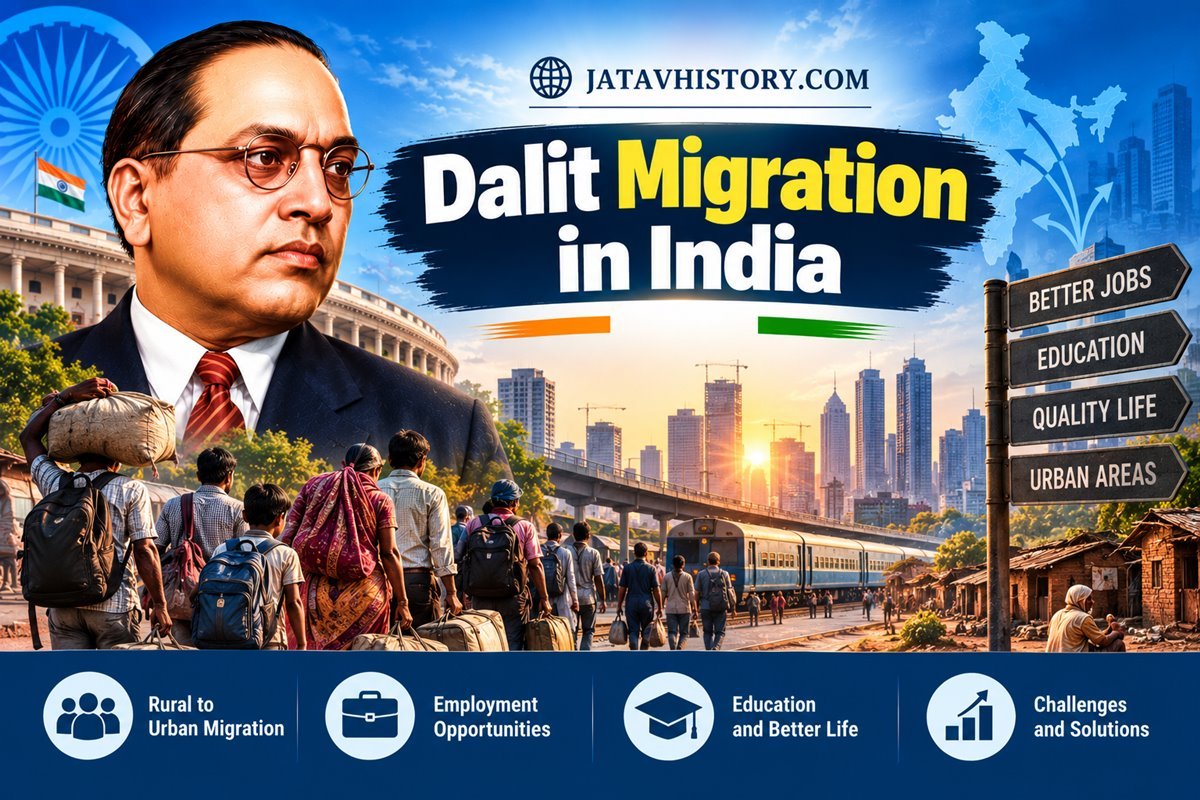
Dalit Migration in India | Causes, Challenges and Impact
Explore Dalit migration in India, including rural to urban movement, causes, employment challenges, living conditions...
Read more →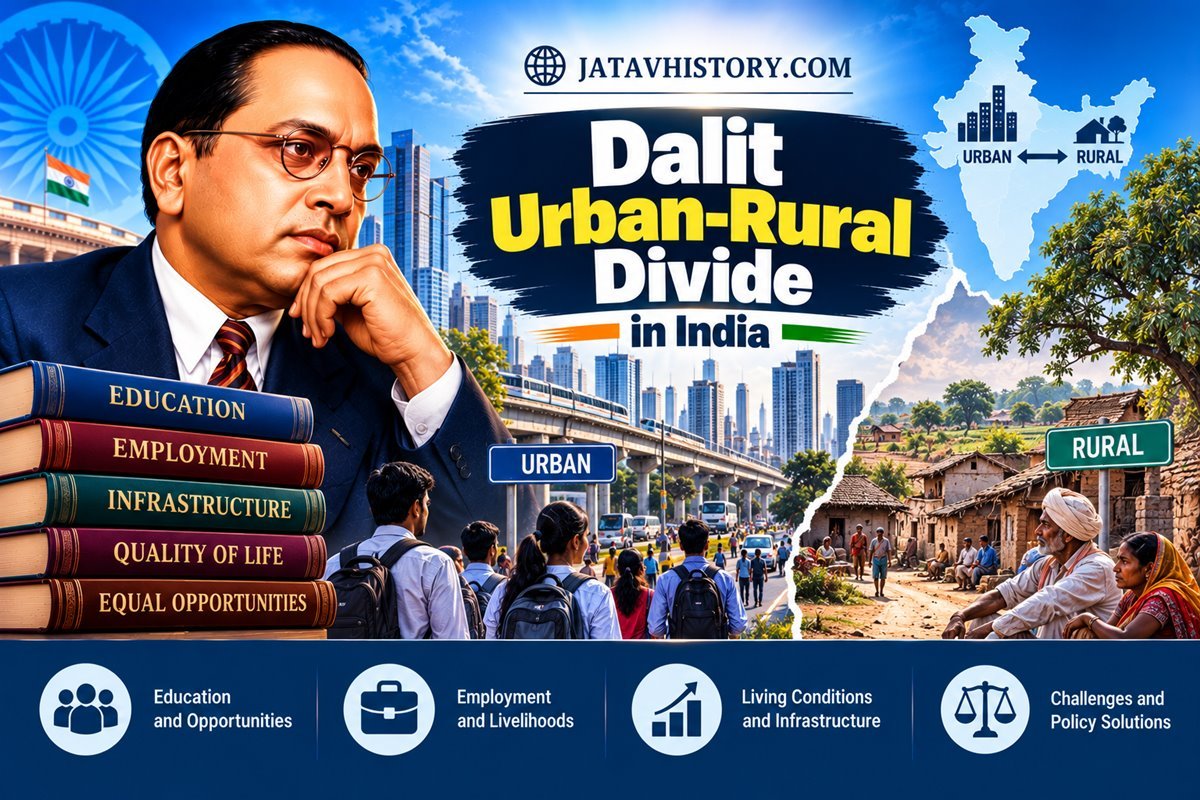
Dalit Urban–Rural Divide in India | Education, Employment & Inequality
Understand the Dalit urban–rural divide in India, including differences in education, employment, living conditions, ...
Read more →Frequently Asked Questions
What is Dalit history?
Dalit history is the story of communities historically oppressed under the caste system who struggled for equality, dignity, education, and legal rights in India.
Who are famous Dalit leaders in India?
Some famous Dalit leaders and reformers in India include Dr. B.R. Ambedkar, Jyotirao Phule, Savitribai Phule, Kanshi Ram, and Mayawati.
What is the meaning of Dalit?
The word Dalit means oppressed or broken and refers to communities historically excluded from the traditional caste system in India.