Mahad Satyagraha 1927 – History, Importance and Facts

Published on: 20 March 2026 | Category: Indian History

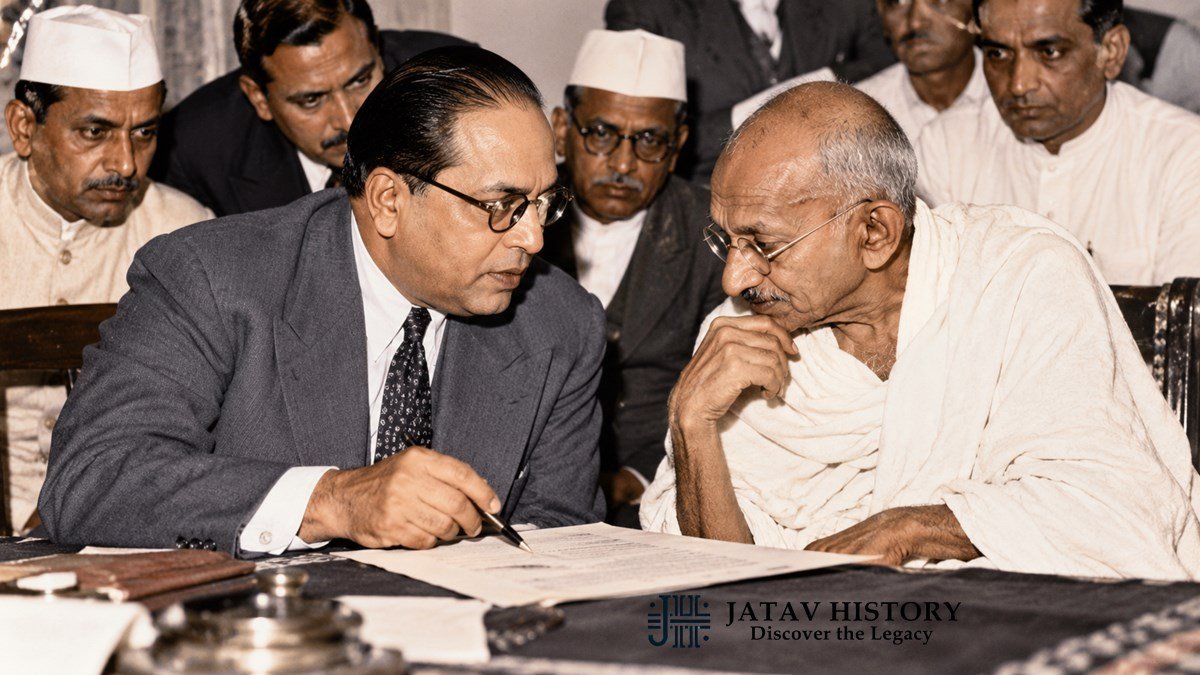
Mahad Satyagraha 1927 was a historic movement led by Dr BR Ambedkar for Dalit rights and equality in India.

Mahad Satyagraha 1927 Dr BR Ambedkar

Mahad Satyagraha is one of the most important movements in Indian history. It was led by Dr BR Ambedkar in the year 1927. This movement was done to give basic human rights to Dalits (then called untouchables). The main aim was to allow them to drink water from public tanks like other people.

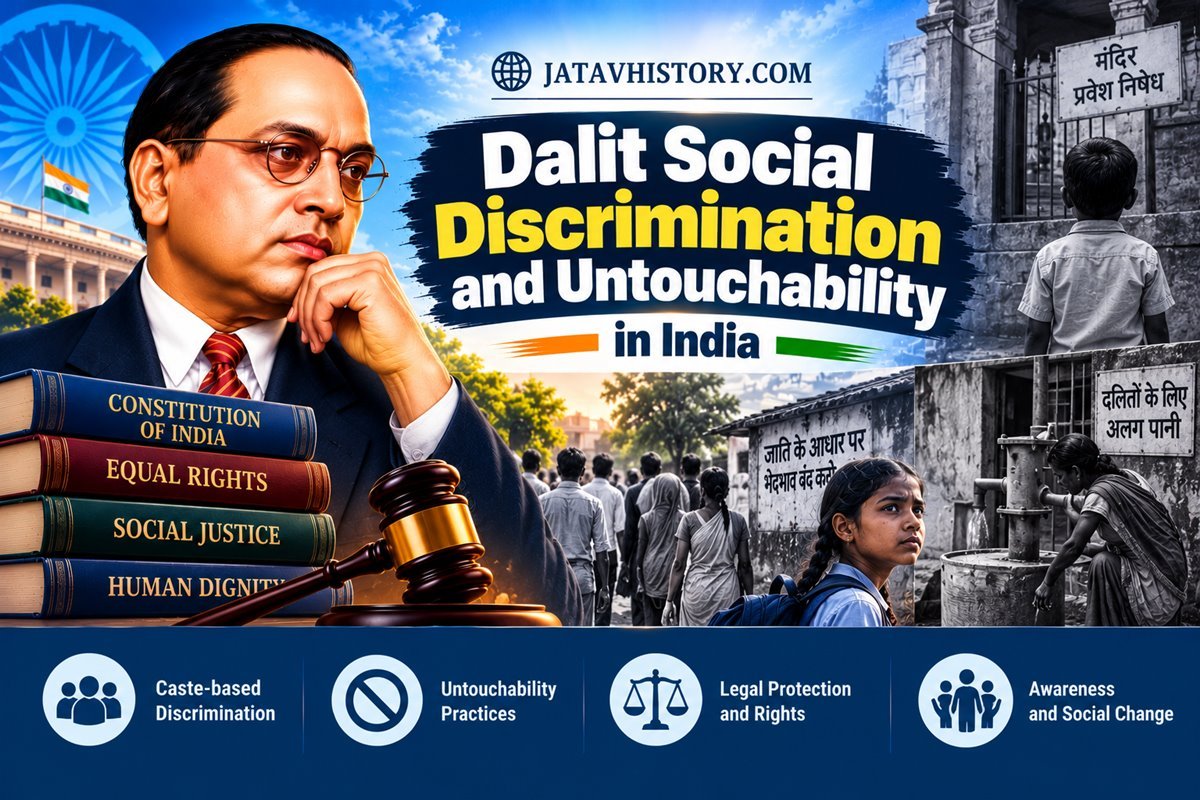
At that time, caste discrimination was very strong in India. Dalits were not allowed to use public places like temples, wells, and ponds. Mahad Satyagraha was a strong step against this injustice.


What is Mahad Satyagraha?

Mahad Satyagraha was a social movement started by Dr. B. R. Ambedkar on 20 March 1927 in Mahad, Maharashtra. The main goal was to allow Dalits to use the Chavdar Tank (a public water tank).

This was not just about water. It was about equality, dignity, and human rights.


Background of the Movement

Before independence, Indian society was divided based on caste. Dalits were treated very badly. They were not allowed to:

Even animals could drink water from public tanks, but Dalits were not allowed. This was very unfair and painful.

In 1924, the Mahad Municipal Corporation passed a rule that all people can use public water sources. But upper caste people did not follow this rule.


Role of Dr. B. R. Ambedkar

Dr. Ambedkar was a great leader and social reformer. He believed in equality and justice. He wanted to end caste discrimination.

He said that rights are not given, they must be taken. So he decided to start a movement.


Main Event of Mahad Satyagraha

On 20 March 1927, thousands of Dalits gathered in Mahad under the leadership of Dr. Ambedkar.

What Happened That Day?

Mahad Satyagraha 1927

This was a historic moment. It showed courage and unity.


Reaction from Upper Castes

Upper caste people were very angry after this event.

This showed how deep caste discrimination was in society.


Second Phase of the Movement

After the first event, Dr. Ambedkar planned another protest in December 1927.

During this time, he also burned the Manusmriti (an old religious text). He believed that this text supported caste discrimination.

Why Manusmriti Burned?

This was a bold step and sent a strong message.


Importance of Mahad Satyagraha

Mahad Satyagraha is very important in Indian history. It was the beginning of a fight for equal rights.


Key Features of the Movement

Feature Details
Type Social Movement
Leader Dr. B. R. Ambedkar
Main Demand Right to use public water
Method Peaceful protest
Result Awareness and social change

Impact on Society

Mahad Satyagraha changed the thinking of many people.

It was a small step but had a big impact.


Lessons from Mahad Satyagraha

This movement teaches us many important lessons:


Difference Between Then and Now

Before 1927 Today
No rights for Dalits Equal rights by law
No access to public places Open for everyone
Strong caste system Less but still exists

Mahad Satyagraha 1927

Conclusion

Mahad Satyagraha was not just about water. It was about human dignity and equality. Dr. B. R. Ambedkar showed that change is possible when people stand together.

Even today, this movement inspires us to fight against injustice. It reminds us that every person deserves equal rights.

We should respect the efforts of Dr. Ambedkar and continue his mission of equality and justice.


Frequently Asked Questions (FAQs)

1. What is Mahad Satyagraha?

Mahad Satyagraha was a social movement led by Dr B R Ambedkar in 1927 to give Dalits the right to drink water from public tanks.

2. When did Mahad Satyagraha happen?

Mahad Satyagraha took place on 20 March 1927 in Mahad, Maharashtra.

3. Who led Mahad Satyagraha?

Dr B R Ambedkar led the Mahad Satyagraha movement.

4. Where did Mahad Satyagraha take place?

It took place at Chavdar Tank in Mahad town of Maharashtra, India.

5. What was the main aim of Mahad Satyagraha?

The main aim was to give equal rights to Dalits to use public water sources.

6. What is Chavdar Talab?

Chavdar Talab is a public water tank in Mahad where the Mahad Satyagraha took place.

7. Why was Mahad Satyagraha important?

It was the first major movement for Dalit rights and equality in India.

8. What happened during Mahad Satyagraha?

Dr Ambedkar and thousands of Dalits went to the tank and drank water to claim their rights.

9. What was the reaction of upper caste people?

Upper caste people opposed the movement and later tried to purify the tank.

10. What is the second phase of Mahad Satyagraha?

In December 1927, Dr Ambedkar burned Manusmriti as a protest against caste discrimination.

11. Why did Dr Ambedkar burn Manusmriti?

He burned it because it supported caste discrimination and inequality.

12. What was the impact of Mahad Satyagraha?

It created awareness, gave confidence to Dalits, and started the fight for equal rights.

13. What rights were demanded in Mahad Satyagraha?

The right to access public water sources and basic human equality.

14. Is Mahad Satyagraha related to Indian independence?

Yes, it was part of the larger struggle for social justice during the independence period.

15. What lesson does Mahad Satyagraha teach?

It teaches us to fight for equality, rights, and justice peacefully.

16. Who participated in Mahad Satyagraha?

Thousands of Dalits and followers of Dr Ambedkar participated in the movement.

17. What type of movement was Mahad Satyagraha?

It was a peaceful social movement for equality and human rights.

18. Why were Dalits not allowed to use water sources?

Due to the caste system, Dalits were treated as untouchables and denied basic rights.

19. What is the historical significance of Mahad Satyagraha?

It marked the beginning of organized struggle for Dalit rights in India.

20. Is Mahad Satyagraha still relevant today?

Yes, it reminds us about equality and the need to fight discrimination even today.

Himanshu Singh Author

Written by Himanshu Singh

Researcher & Writer on Jatav, Chamar and Dalit History. Writing educational and awareness-based content to promote equality, dignity, and historical understanding.