Many people search online about the Chamar Regiment and want to know:
“Did the Chamar Regiment really exist in the Indian Army?”
The answer needs history, and here we explain everything in very simple Words.
This history is also important to understand the role of Dalit regiments, Scheduled Caste soldiers in the British Indian Army, and caste-based recruitment policies.

The Chamar Regiment was a military unit formed during British rule in India. It mainly included soldiers from the Chamar community, which today comes under the Scheduled Caste (SC) category.
During British rule, the army followed a system called the Martial Race Theory. Under this system, recruitment was done on the basis of caste and community.
Some Dalit communities like Chamar and Mahar were recruited into separate units during war time.
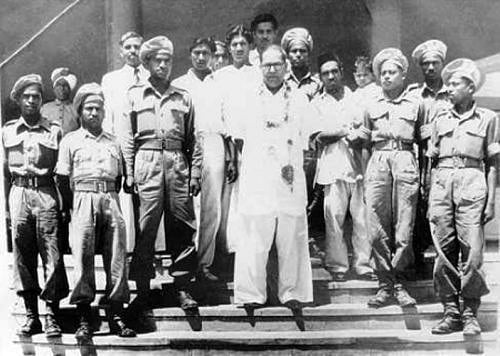
The Chamar Regiment was formed around 1917–1918, during the last phase of World War I.
At that time, the British Army urgently needed more soldiers, so people from different Indian communities were recruited.
The Chamar Regiment was created as a temporary battalion, not as a permanent regiment.
Chamar soldiers served bravely during World War I (1914–1918). They were sent to different war zones such as:
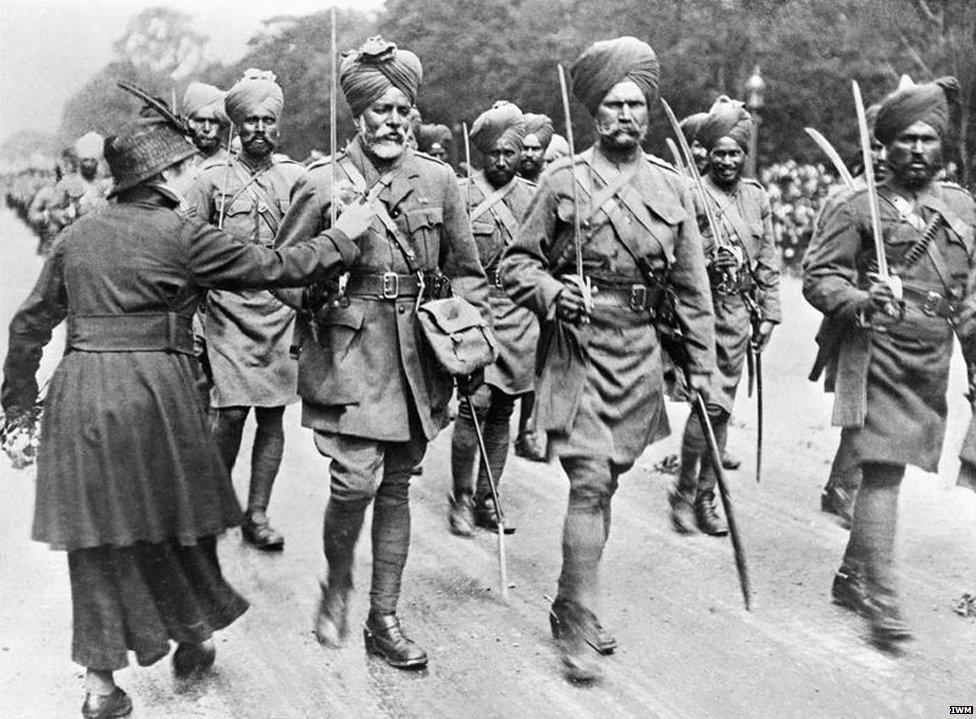
They worked as infantry soldiers, helpers, and support staff under very difficult conditions.
Many soldiers showed courage and discipline, but their contribution was not properly recorded in history books.
After World War I ended in 1918, the British government reduced the size of the army.
The Chamar Regiment was disbanded in the early 1920s due to:
The regiment was NOT removed because of poor performance.
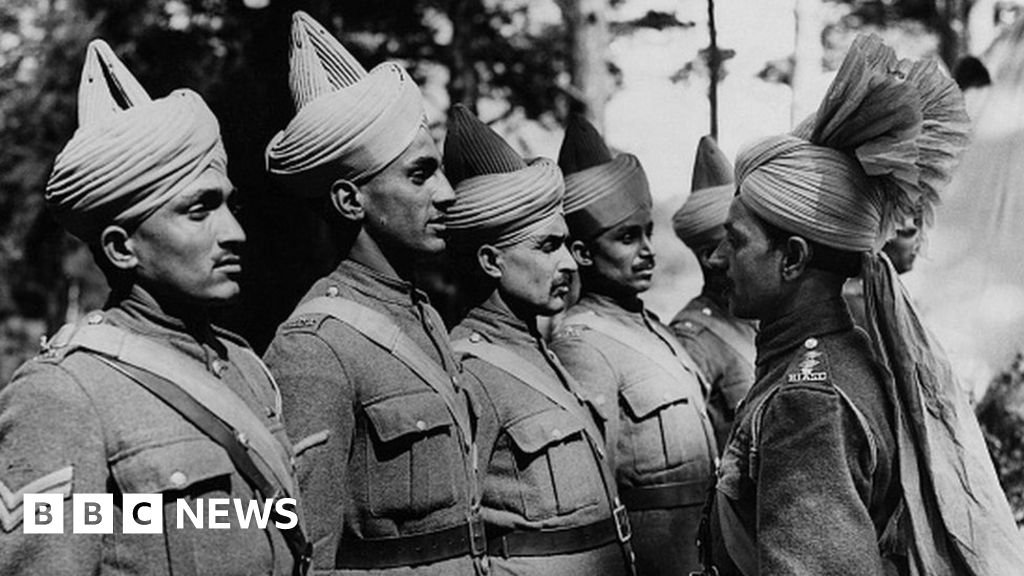
During World War II (1939–1945), many Chamar soldiers again joined the British Indian Army.
However, they were placed in mixed units, not in a separate Chamar Regiment.
They served in regions like Burma, Africa, and Southeast Asia.
Many people ask why the Mahar Regiment exists today but the Chamar Regiment does not.
The Mahar Regiment was re-established in 1941 due to strong political support and organized leadership.
The Chamar community did not receive similar support at that time.
Related:
Are Jatav and Chamar the Same?
Dr. B.R. Ambedkar was not from the Chamar caste, but he strongly supported equality in all national institutions.
He believed that military service gives dignity, discipline, and self-respect to oppressed communities.
Related:
Read Dalit/Chamar History
After India became independent in 1947, there have been demands to re-establish the Chamar Regiment.
From the 1990s to 2024, social organizations and activists raised this issue many times.
As of 2025, there is still no official Chamar Regiment in the Indian Army.
| Topic | Details |
|---|---|
| Regiment Name | Chamar Regiment |
| Formed Year | 1917–1918 (World War I) |
| Recruitment Community | Chamar community (Scheduled Caste) |
| War Participation | World War I |
| Disbanded | Early 1920s |
| Reason for Disbandment | Army reduction, policy changes, caste discrimination |
| World War II Status | Served in mixed units, no separate regiment |
| Current Status | Not active in Indian Army (2025) |
| Public Demand | Re-establishment demanded by social organizations |
The Chamar Regiment was a real part of Indian military history.
It existed during World War I, served bravely, and was later disbanded due to policy and discrimination.
Remembering this history is important for dignity, equality, and social justice.
Many people ask: Are Jatav and Chamar the same caste? This article explains the truth clearly..
Read Full ArticleExplore the origin, history, culture, and social journey of the Jatav community.
Read Full Article